Komunitas Cinta Film Indonesia
The Indonesian film industry is leveling up — and not just in visuals or storytelling, but in something even more important: inclusion.
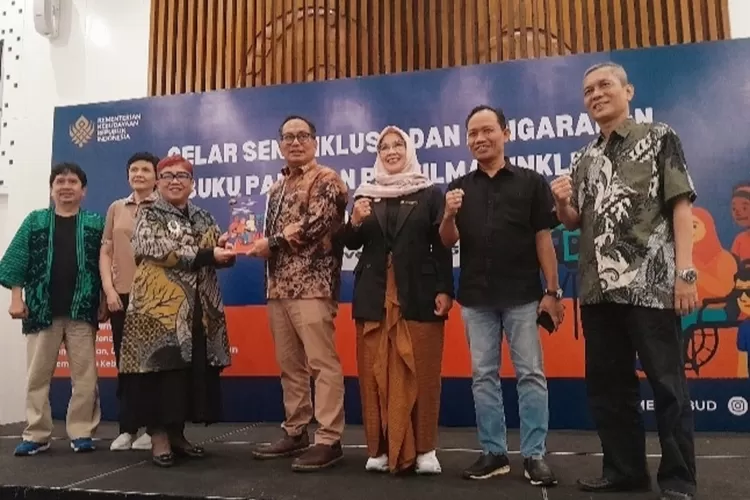
Komunitas Cinta Film Indonesia (KCFI), together with the Ministry of Culture through the Directorate of Film, Music, and Arts, has officially launched the Inclusive Filmmaking Guidebook, a practical handbook designed to help filmmakers and creative workers create film productions that are accessible and friendly to people with disabilities.
And no, this isn’t just another technical manual. Think of it as an “industry update” — a necessary system refresh for Indonesia’s creative landscape.
⭐ A Guidebook Created With the Disability Community — Not Just For Them
Dr. Suzen H.R. Lumban Tobing, the head of the writing team, explained that the guidebook was created through a long collaborative process involving multiple sectors: the Directorate of Film, lecturers from IKJ (Jakarta Institute of the Arts), filmmakers, Komnas Disabilitas, PPDI, and various inclusion advocates.
What makes this project stand out is its approach:
the disability community is directly involved in the creation process, including Deaf contributors who helped refine the sections related to sign-language interpretation on set. This makes the guidebook feel authentic, practical, and grounded in real experiences.
Dr. Suzen emphasized that the guide is intentionally open-ended:
“It’s not perfect, and it’s not meant to be. It should grow and improve together with the community.”
🎭 More Than a Book — It’s a Movement
The launch coincided with the International Day of Persons with Disabilities — fitting timing for a guide meant to spark long-term cultural change.
Dr. Suzen hopes the book will encourage Indonesian filmmakers to portray disability with empathy, nuance, and humanity, instead of falling into tropes or exploitation.
No more “pity-bait characters.”
No more one-dimensional representation.
Just real stories, written with dignity and depth.
⚡ Tech Evolves Fast — Guidelines Need to Keep Up
Director of Film, Music, and Arts Dr. Syaifullah Agam delivered a strong reminder:
“This book is not a holy scripture. Even laws get revised — technical guidelines must follow the times.”
And he’s right. Film tech is evolving rapidly — hyper-realistic visuals, immersive audio design, and global accessibility standards that continue to shift.
This means filmmaking guidelines must stay flexible, adaptive, and regularly updated.
🌈 Disability Is Not a Burden — It’s Potential Waiting for Space
Dr. Syaifullah shared a story about studying alongside a visually-impaired classmate who excelled academically once given the right tools and access.
His message is clear:
“Limitations can become strengths when we provide space and opportunity.”
He also encouraged greater access for disabled creatives in screenwriting competitions and other creative roles. Because good stories don’t come from physical ability — they come from research, imagination, and depth.
🎥 Why This Matters ?
Because the global industry is already moving in this direction. Major studios abroad now employ access coordinators, practice inclusive casting, and design accessible sets.
Indonesia is finally catching up — and that’s a good thing.
With this guidebook:
-
stories about disability can be more realistic and respectful
-
behind-the-scenes talent becomes more diverse
-
film production standards rise
-
audiences get richer, more humane stories
This isn’t just about representation. It’s about making better films.
🎬 Conclusion: A New Era for Indonesian Filmmaking
The release of the Inclusive Filmmaking Guidebook marks a significant step toward a more advanced, empathetic, and globally relevant Indonesian film industry.
If this momentum continues, Indonesian cinema could stand out internationally not only for visual brilliance, but for its strong human values and commitment to inclusion.