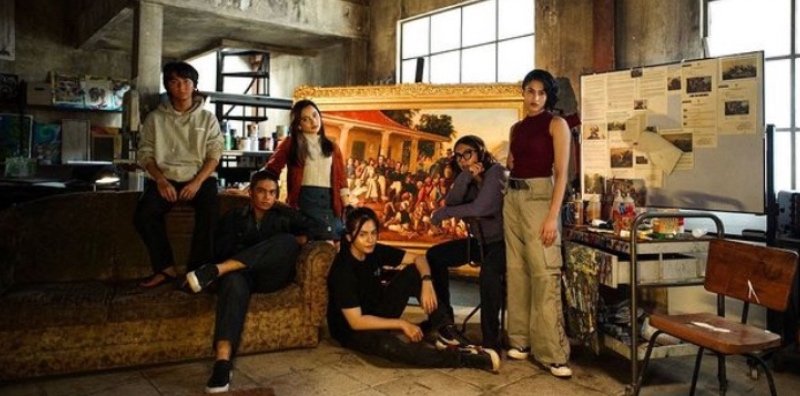

Indonesia’s rich culinary heritage once again takes the spotlight through the latest edition of Kuliner Indonesia Kaya, a cultural webseries presented by Indonesia Kaya.
Since 2017, the program has consistently documented Indonesia’s diverse traditional cuisine through engaging audiovisual storytelling. In its 2026 episodes, the series highlights three regions known for their deep culinary traditions and historical significance: Ternate, Palembang, and Banten.
Through this culinary journey, the webseries invites viewers to discover how Indonesian food traditions were shaped by centuries of cultural encounters, trade routes, and social evolution across the archipelago.
Exploring the Stories Behind Indonesian Traditional Food
According to Renitasari Adrian, the goal of the series goes beyond showcasing delicious dishes. It also seeks to uncover the stories, traditions, and cultural values behind each recipe.
She explained that every region in Indonesia has its own unique way of preparing food, preserving cooking traditions, and passing culinary knowledge from generation to generation. These elements form the true strength of Indonesian cuisine—where flavor is closely tied to history, philosophy, and cultural identity.
Through the newest season of Kuliner Indonesia Kaya, audiences are encouraged to see food not merely as a dish, but as a living cultural heritage that reflects the identity of local communities.
Ternate: Culinary Traditions from the Historic Spice Route
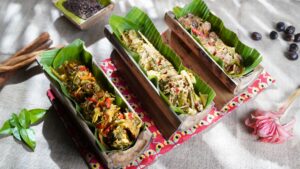
The first episode, released on February 26, 2026, takes viewers to Ternate, a region historically known as one of the key hubs of the Spice Route.
Here, local cuisine reflects the close relationship between people and nature. One of the traditions highlighted in the episode is Rimo-rimo, a traditional cooking technique that uses bamboo as a natural cooking container instead of modern kitchen utensils.
According to Kris Syamsudin, the tradition originated from the survival practices of local communities who needed to cook while traveling through forests.
The episode also introduces Gohu Ikan, a fresh seafood dish made from raw tuna or skipjack cut into small pieces and mixed with salt, lemon cui juice, and basil leaves. The minimal preparation highlights the freshness of the fish and showcases the coastal culinary traditions of Ternate.
Palembang: Culinary Heritage Along the Musi River
The culinary journey continues to Palembang in the second episode, released on March 5, 2026. As one of the oldest cities in Indonesia, Palembang’s history is deeply connected to the Musi River.
One of the dishes featured is Pindang Ikan, a traditional fish soup known for its refreshing sour and spicy flavor. The dish typically uses freshwater fish such as patin, gabus, or baung, reflecting the region’s reliance on river resources.
The episode also highlights two iconic traditional cakes: Kue Delapan Jam and Kue Maksuba. Kue Delapan Jam, literally meaning “eight-hour cake,” requires a long cooking process to achieve its soft texture and golden-brown color.
Meanwhile, Kue Maksuba holds cultural significance in Palembang, especially during weddings and major celebrations like Eid. Its layered texture and complex preparation symbolize patience, precision, and maturity—values deeply respected in Palembang society. 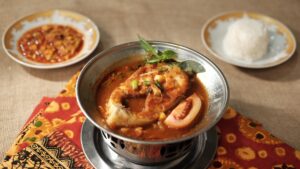
Banten: Royal Culinary Traditions of the Sultanate
The third episode, scheduled for release on March 12, 2026, explores culinary traditions from Banten, a region known for its historical Banten Sultanate heritage.
One of the featured dishes is Sate Bandeng, which is believed to have been a favorite meal of Sultan Maulana Hasanuddin. Palace chefs reportedly created this dish by removing the fish bones from milkfish before cooking it, allowing royal guests to enjoy the dish more comfortably.
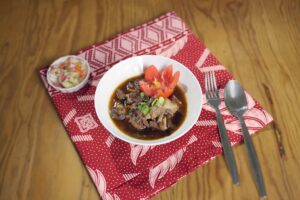
Another traditional dish highlighted is Rabeg, a savory meat dish made from goat or beef. Historical stories suggest that Rabeg was inspired by the Sultan’s culinary experience during his pilgrimage journey, when he visited the city of Rabig near the Red Sea and later adapted the dish upon returning to Banten.
Preserving Indonesia’s Culinary Heritage
Since its launch in 2017, Kuliner Indonesia Kaya has served as an important platform for documenting Indonesia’s culinary diversity.
The webseries not only captures visually appealing food presentations but also preserves traditional knowledge, cultural philosophy, and historical narratives embedded in each dish.
By presenting short yet informative episodes, Indonesia Kaya hopes the series can help younger generations better understand and appreciate Indonesia’s gastronomic heritage.
After all, behind every traditional dish lies a deeper story—one that reflects history, cultural identity, and the long journey that shaped the diverse flavors of Indonesia.
Cek here