


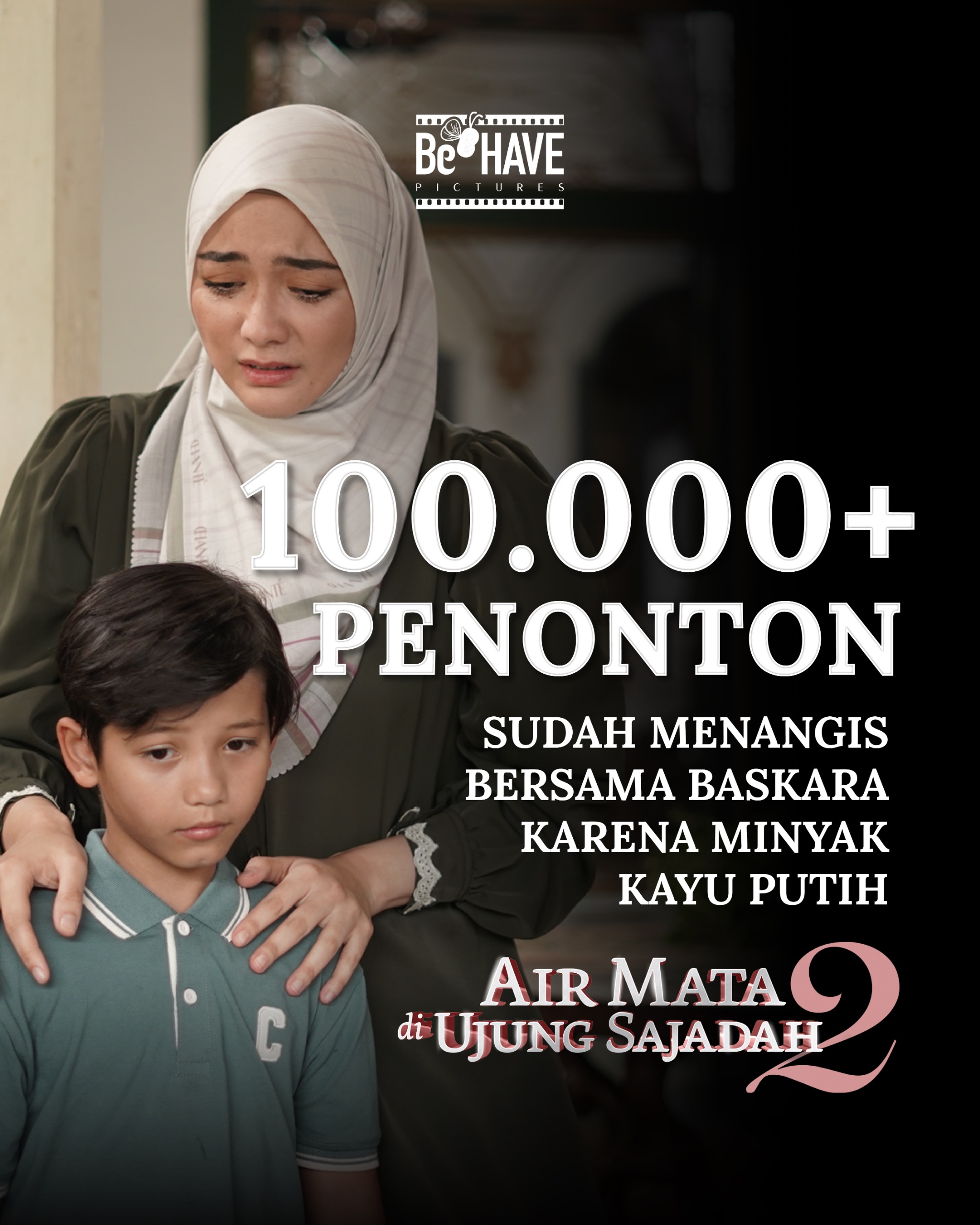
In Air Mata di Ujung Sajadah 2, the audience is brought back into a world where love is both healing and wounding, where motherhood is not just an identity but a battlefield of the heart. This sequel does not simply continue a story—it expands its emotional universe, diving deeper into the complexities of maternal sacrifice and the invisible, unbreakable threads that bind a mother to her child.
The film explores a haunting question: How far can a mother go to protect the love she holds most dear?
This is not a simple love story. It is a story carved from longing, stitched with regret, and propelled by the timeless ache of a mother fighting for the child she once lost, and fears of losing again.
The emotional center of this sequel lies in its portrayal of a mother forced to choose between what is right and what feels right. The filmmakers dare to lean into the discomfort—presenting motherhood not as a pure, saintly construct, but as a fragile realm filled with conflicts, insecurities, and unspoken fears. Here, love becomes a paradox: tender yet fierce, nurturing yet possessive.
What makes Air Mata di Ujung Sajadah 2 so compelling is how it frames the mother-child relationship as both destiny and dilemma. The story acknowledges that love, even at its most sincere, can wound. A mother’s embrace can protect, but it can also suffocate. And the truth is, the deeper the love, the sharper the fear of losing it.
The drama feels heavier this time—not louder, not more chaotic, but more intimate. The film draws viewers into the quiet moments: trembling hands, hesitant breaths, long silences filled with unsaid apologies. These scenes speak louder than any shouting match; they reveal the raw, trembling humanity under every choice the characters make.
And in that humanity lies the film’s power.
Air Mata di Ujung Sajadah 2 frames motherhood not as perfection, but as perseverance. It shows a woman wrestling with destiny—not because she wants to win, but because she cannot bear the thought of surrendering the one love that defines her existence. The audience is invited to witness her unraveling and rebuilding, again and again.
The film also dares to challenge the audience’s empathy. There is no clear right or wrong here. Every character bleeds in their own way, and every decision carries both salvation and consequence. This moral ambiguity is what elevates the sequel beyond melodrama—it transforms the story into an emotional mirror where viewers reflect on their own definitions of love, sacrifice, and belonging.
By the end, Air Mata di Ujung Sajadah 2 becomes more than a film. It becomes a question—one that lingers long after the credits roll:
“If love is the holiest gift, why does it hurt the most?”