


Badut Gendong story
One of the most fascinating aspects of Badut Gendong is how it transforms a powerless victim into a figure audiences simultaneously fear and sympathize with.
Since its release, many viewers have described the film as Indonesia’s rare successful attempt at creating an anti-hero story.
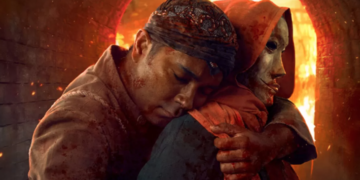
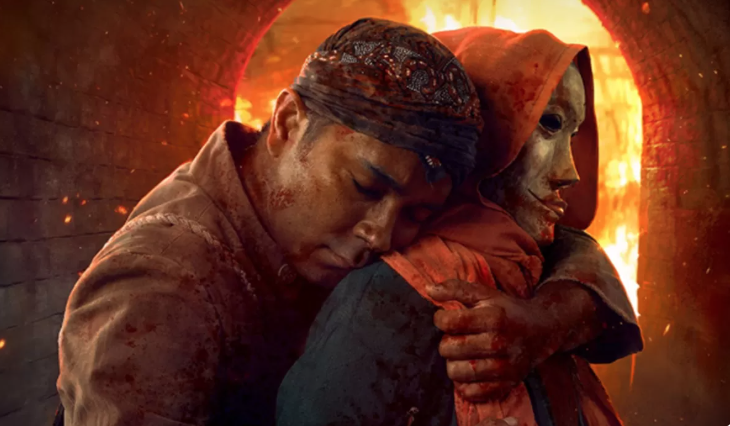
Darso is not a traditional hero. He is also not a straightforward villain. Instead, he becomes a tragic figure shaped by grief, injustice, and despair.
The character has drawn comparisons to Arthur Fleck in Joker and John Wick from the popular action franchise.
Like Arthur Fleck, Darso is repeatedly humiliated and ignored by society until emotional collapse transforms him into something dangerous. Like John Wick, his violent path begins with devastating personal loss.
Film critics have long noted that audiences are often drawn to anti-heroes because they reflect real human flaws and vulnerabilities.
 In discussing Joker (2019), critic Xan Brooks of The Guardian described the film as a daring reinvention of a character who exists in the space between victim and villain, forcing audiences to confront uncomfortable empathy for someone descending into darkness.

Likewise, film scholars and critics often distinguish anti-heroes from pure villains by their emotional relatability. While audiences may condemn their actions, they understand the pain that motivates them. Discussions among film critics and screenwriters frequently point to characters such as John Wick as examples of protagonists whose morally questionable actions are driven by personal tragedy rather than heroic ideals.
A Letterboxd review echoed this sentiment:
“Badut Gendong is a bleak, disturbing, and intense viewing experience that unexpectedly hit me emotionally. Unlike many villain-centered stories that rely solely on spectacle, this film allows viewers to feel the pain, grief, and emotional destruction experienced by a good man who gradually transforms into a terrifying monster because of the world around him.”

A Mirror Image of Ustadz Qodrat

What makes Badut Gendong particularly intriguing within the Qodrat Universe is that he is positioned not simply as a stronger enemy, but as an emotional opposite to Ustadz Qodrat.
According to actor Vino G. Bastian, who portrays Ustadz Qodrat, both characters experience profound suffering. The difference lies in how they respond to it.
“Ustadz Qodrat will return and face an even heavier challenge. Not because this new enemy is allied with demons, but because he represents another side of Qodrat himself. The trials faced by Ustadz Qodrat brought him back to Allah, while the same suffering led Darso and Darsi toward despair, revenge, destruction, and catastrophe.”
This dynamic elevates Badut Gendong beyond a conventional horror film. Rather than presenting a simple battle between good and evil, it explores two people who endure similar tragedies but arrive at completely different conclusions.
The best anti-hero stories are often built on a difficult question:
What happens when a good person loses everything?
Rather than focusing solely on supernatural scares, Badut Gendong uses horror as a vehicle to examine grief, injustice, and the emotional breaking point of an ordinary man.
Darso represents the “wong kalahan” , the forgotten underdog who is constantly underestimated and mistreated.
His transformation into Badut Gendong is not simply the birth of a monster, but the collapse of a man abandoned by the world around him.
In that sense, Badut Gendong may be one of Indonesia’s most compelling anti-hero stories to date: a character audiences fear, pity, and perhaps understand far more than they would like to admit.
Badut Gendong is now playing in Indonesian cinemas nationwide.
The film expands the Qodrat Universe while introducing what could become its most emotionally complex antagonist yet.